


What sodium lauryl sulfate does to your skin
The foaming agent in most body washes and shampoos is the same one skin researchers use on purpose to irritate skin. Here is what that means, and what real soap does instead.

Flip over almost any body wash, shampoo or "beauty bar" and you will find sodium lauryl sulfate (SLS) near the top of the list, or its cousin sodium laureth sulfate (SLES). They are synthetic detergents. They make big, fast foam, they are cheap, and they are very good at removing oil.
That last part is the catch. Your skin makes its own oils on purpose.
The irritant researchers use on purpose
When dermatologists want to know how easily a person's skin gets irritated, one of the tools they reach for is a patch of SLS. It is used as a control in patch testing because it reliably irritates skin 1.
In a large German study of 43,478 patients, a patch of just 0.25% SLS in water caused a reaction in 22.4% of them, most of it mild redness 1. Older research found the redness from a stronger SLS patch kept building for about a day before it faded 2.
None of that means one shower will hurt you. It means SLS does exactly what a detergent is designed to do: it strips. For people whose skin already runs dry, tight or easily red, that is often the difference they notice when they switch.

Is it soap? Often, no.
Here is the part most people never hear. In the United States, a product only counts as soap if it is made mainly of fats and oils combined with an alkali, and those are what do the cleaning 3. If a product cleans with synthetic detergents, regulators class it as a cosmetic, even when the label says "soap" 3.
The FDA says most of the liquid and solid body cleansers on the market are synthetic detergent products 3. True soap made from fats and alkali is regulated separately, by the Consumer Product Safety Commission 4.
Sulfate body wash
Cleans with synthetic detergents like SLS that strip the oils your skin makes on purpose.
Real soap
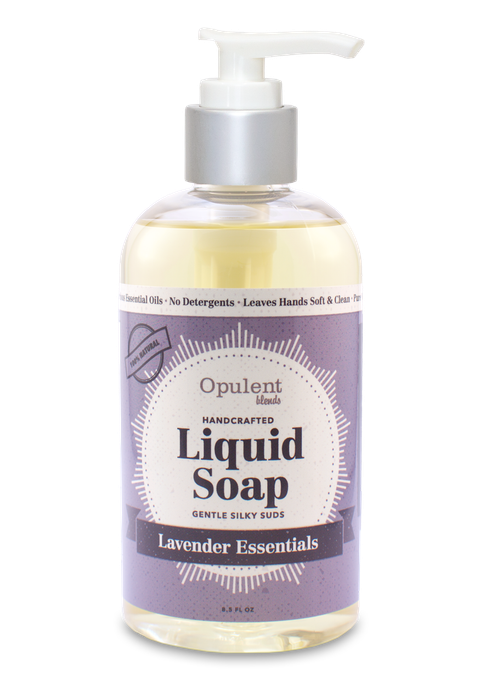
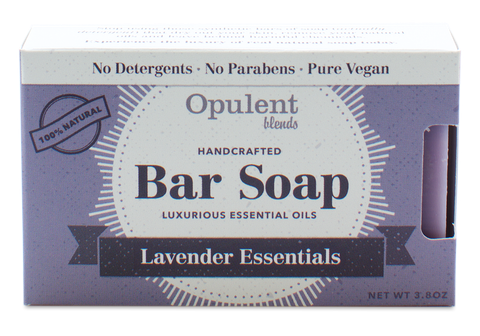
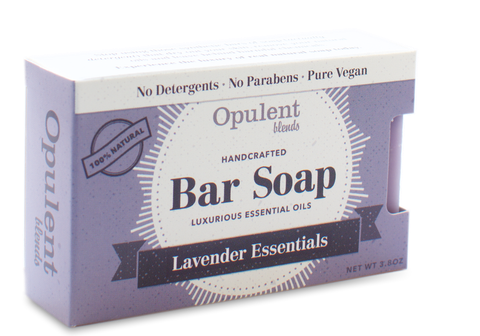
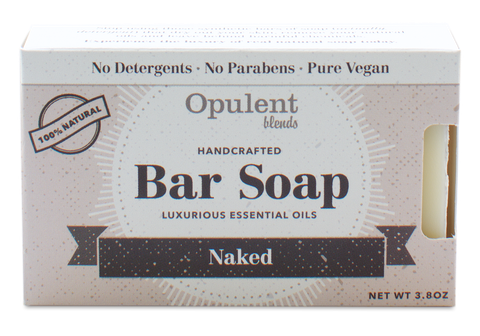
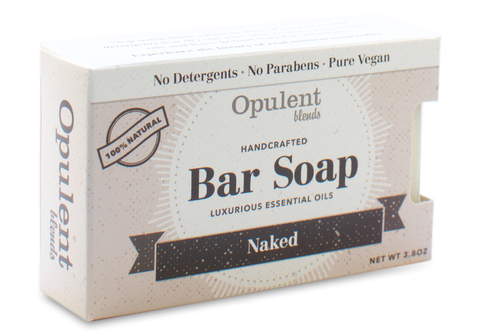
Cleans with saponified oils, and handmade soap keeps the glycerin the soapmaking makes.


How to read the label
- Sodium lauryl sulfate or sodium laureth sulfate: a synthetic detergent.
- Sodium cocoate, sodium olivate, saponified oils: that is real soap, oils turned into soap with lye.
- "Fragrance" on its own: one word that can stand for many undisclosed ingredients. More on that soon.
Real soap from our bench

Questions
Is SLES the same as SLS?
No. Sodium laureth sulfate is a related detergent that is usually gentler on skin than SLS, but it is still a synthetic detergent rather than soap.
Does real soap lather?
Yes. It makes a creamier, smaller-bubble lather than a detergent. Big fast foam is a detergent trait, not a sign of cleaning power.
Is lye still in the finished soap?
No. Lye is used to turn the oils into soap. In a finished, well-made bar it has all reacted, which is why handmade bars rest before they are sold.
Sources
- Strengths and Limitations of Sodium Lauryl Sulfate as an Irritant Control in Patch Testing · Contact Dermatitis, 2026
- Sodium lauryl sulfate irritant patch tests: degree of inflammation at various times · PubMed, 1977
- Frequently Asked Questions on Soap · U.S. Food and Drug Administration
- Soap Business Guidance · U.S. Consumer Product Safety Commission